
Ever wondered if it’s true that one mother can give birth to two species? In the wild world, it sounds like a myth, but a groundbreaking Nature study on the Iberian harvester ant says yes. This tiny insect is challenging everything we know about reproductive isolation—the biological barrier that keeps species from mixing genes and blurring lines. Normally, reproductive isolation acts like a fortress, ensuring hybrids fizzle out. But the Iberian harvester ant (WikiPedia) is punching holes in that wall, producing fertile offspring from another species: the wood ant.
- What Is Reproductive Isolation, and Why Does the Iberian Harvester Ant Defy It?
- Why Can Horses and Donkeys Produce Mules but Mules Can’t Reproduce? Lessons for Ants
- The Secret Weapon: Parasitic Sperm in the Iberian Harvester Ant
- Deep-Sea Parallels: Why Don’t Anglerfish Have Adaptive Immunity?
- Broader Implications: Rethinking Reproductive Isolation in a Changing World
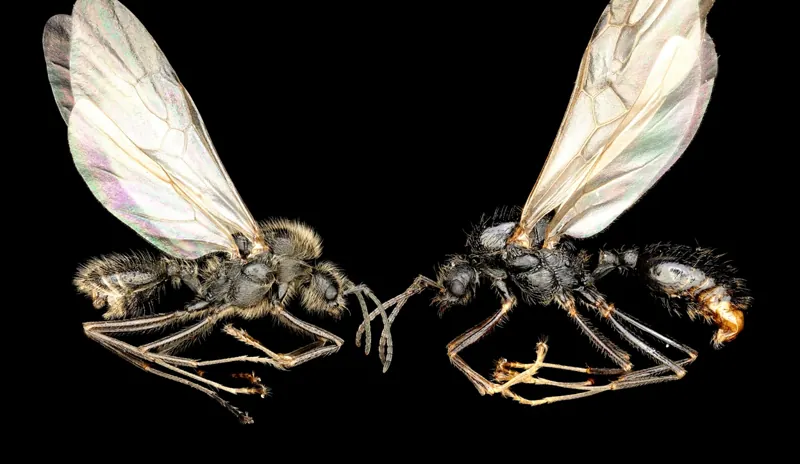
If you’re scratching your head, you’re not alone. This isn’t just ant drama; it’s a peek into evolution’s sneaky side. Why can horses and donkeys produce mules but mules can’t reproduce? We’ll circle back to that classic example to contrast with the ants’ wild twist. And stick around for the deep-sea shocker: Why don’t anglerfish have adaptive immunity? Their bizarre mating hack ties right into these themes of gene selfishness and survival. Let’s dive in—no PhD required.
What Is Reproductive Isolation, and Why Does the Iberian Harvester Ant Defy It?
Reproductive isolation is biology’s ultimate species separator. It’s the set of mechanisms—pre-zygotic (before fertilization, like incompatible mating dances) and post-zygotic (after, like sterile hybrids)—that prevent gene flow between species. Think of it as nature’s no-mingling policy: You stay in your evolutionary lane.
Enter the Iberian harvester ant, a tough cookie from Europe’s arid scrublands. Females mate with males from their own kind for workers but cross species lines with wood ants (Formica spp.) for males. The result? Hybrid males that aren’t just viable—they’re fertile. This shatters reproductive isolation because these “mules” of the ant world can breed, passing on mixed genes indefinitely.
Is it true that one mother gives birth to two species? Absolutely, according to the Nature paper. One Iberian harvester ant queen can lay eggs producing her own species’ daughters and an entirely different species’ sons. It’s like a single mom raising kids from two dads’ playbooks—but genetically pure from the “other” dad. This isn’t random; it’s a evolved strategy for colony survival in harsh environments where pure mates are scarce.
Why Can Horses and Donkeys Produce Mules but Mules Can’t Reproduce? Lessons for Ants
To appreciate the Iberian harvester ant’s feat, let’s unpack a familiar hybrid fail: Why can horses and donkeys produce mules but mules can’t reproduce? Horses (64 chromosomes) and donkeys (62) can mate, thanks to loose pre-zygotic barriers— they’re close enough relatives. The mule gets 63 chromosomes, a mismatched set that develops into a strong, healthy adult. But here’s the reproductive isolation kicker: During meiosis (gamete formation), those uneven chromosomes can’t pair properly. No balanced eggs or sperm means sterility. Mules are evolutionary dead-ends—great for labor, zero for legacy.
Contrast that with the Iberian harvester ant. Their hybrids dodge this trap via “sperm parasitism.” The queen stores sperm from both species. When laying female eggs, she uses a mix, creating sterile-but-productive workers (like mules on steroids). For males? She activates only the foreign sperm, cloning wood ant sons. These sons inherit a full, even chromosome set from dad, making them fertile. No mismatch, no sterility. Reproductive isolation? Bypassed like a tollbooth with a fake pass.
This ant hack evolved over millennia, likely because purebred males are rare in patchy habitats. It’s nature’s workaround: Borrow foreign genes for muscle (workers) without diluting your own lineage long-term.
The Secret Weapon: Parasitic Sperm in the Iberian Harvester Ant
At the heart of this reproductive isolation breach is parasitic sperm—a gene warfare tactic. Imagine sperm as tiny invaders. In the Iberian harvester ant, wood ant sperm carries a “killer” payload. Upon fertilization, it silences the queen’s nuclear DNA, turning her egg into a surrogate for dad’s genome. The hatchling? A genetic clone of the wood ant father, raised in an Iberian harvester ant nursery.
This isn’t voluntary on mom’s part; it’s a molecular mugging. The queen’s egg provides cytoplasm and nutrients, but zero genes. It’s cross-species cloning in vivo—nature’s DIY Dolly the sheep, but with ants. Is it true that one mother gives birth to two species? Yes, and it’s powered by this selfish sperm strategy, maximizing dad’s replication while mom gets free labor from hybrid daughters.
Insects love this ploy because sex reproduction feels inefficient: Why split genes 50/50 when you can hijack the whole pot? Richard Dawkins’ The Selfish Gene nails it—genes are ruthless copy machines, and parasitic sperm is their cheat code.
Deep-Sea Parallels: Why Don’t Anglerfish Have Adaptive Immunity?
Reproductive isolation isn’t just about ants; it’s a spectrum. For a vertebrate extreme, meet the anglerfish (Lophiiformes). These deep-sea lurkers face mate shortages in the abyss. Solution? Males fuse permanently with females, becoming parasitic gonads—think living sperm factories plugged into mom’s bloodstream.
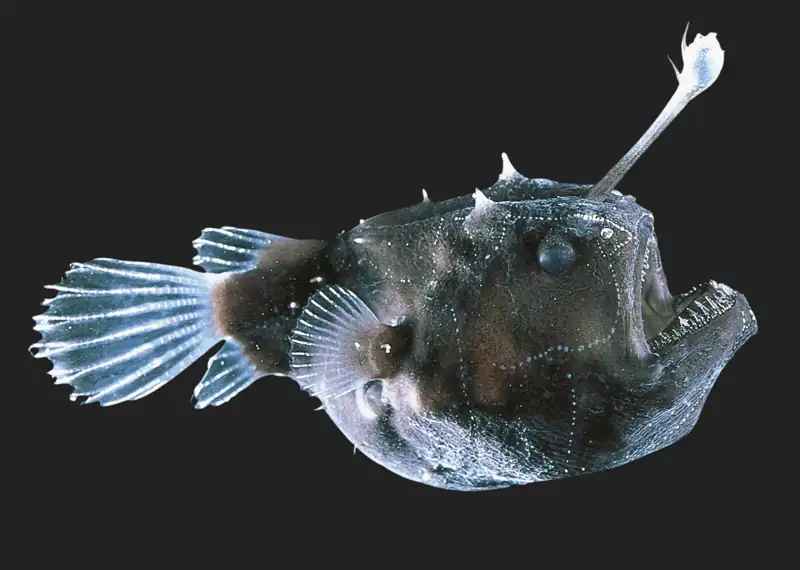
But fusion screams immune rejection: Two bodies merging should trigger war. Why don’t anglerfish have adaptive immunity? A 2020 Science study revealed the twist—they lack it entirely. Adaptive (or acquired) immunity builds memory against foes, like vaccines training your T-cells. It’s why transplants fail without drugs. Anglerfish rely solely on innate immunity (generic barriers like skin and mucus), which tolerates the merge. No learned defenses mean no rejection of the “spouse organ.”
This “immunity downgrade” evolved because deep-sea life is low-threat: Few pathogens down there. Cost? Simpler immune genes, easier fusion. Benefit? Guaranteed mating—no swimming off post-coitus. It’s parasitic sex on steroids, echoing the Iberian harvester ant’s sperm takeover. Both exploit partners for gene spread, thumbing noses at reproductive isolation.
Fun fact: Unlocking anglerfish immunity could revolutionize human transplants. Imagine organs that “stick” without anti-rejection meds—deep-sea biohacking for medicine.
Broader Implications: Rethinking Reproductive Isolation in a Changing World
The Iberian harvester ant story forces a rethink: Reproductive isolation isn’t always airtight. Climate change and habitat loss are blurring species lines everywhere—could more “ant-like” hacks emerge? Why can horses and donkeys produce mules but mules can’t reproduce? It’s a reminder of nature’s usual rigidity, making ant exceptions all the more mind-blowing.
Is it true that one mother gives birth to two species? In the Iberian harvester ant, yes—and it’s reshaping how we view evolution. From parasitic sperm to immune-free mergers, these tales show genes’ drive to replicate knows no bounds. Next time you spot ants marching, pause: That colony might be a gene-smuggling ring.
For more on ant wonders, check out Nature‘s full paper. Got questions on reproductive isolation or anglerfish quirks? Drop ’em below—let’s geek out.
Further Reading: Crows, Rabbits, Polar Bears, and Snails: Nature’s Most Mind-Blowing “Superpowered” Animals