

Volcanoes are one of the most powerful expressions of Earth’s internal energy. When they erupt, their displays range from gently flowing rivers of lava to catastrophic explosions that reshape entire landscapes. The shape, size, and eruptive style of a volcano vary widely — differences that stem from the magma’s composition, viscosity, gas content, and eruption environment.
Based on these factors, scientists generally classify volcanoes into six major types: cinder cones, lava domes, shield volcanoes, stratovolcanoes, calderas, and fissure volcanoes. In addition, there are submarine volcanoes, hidden beneath the ocean surface. Each type reveals a unique facet of the Earth’s geological dynamism.
1. Cinder Cone Volcanoes
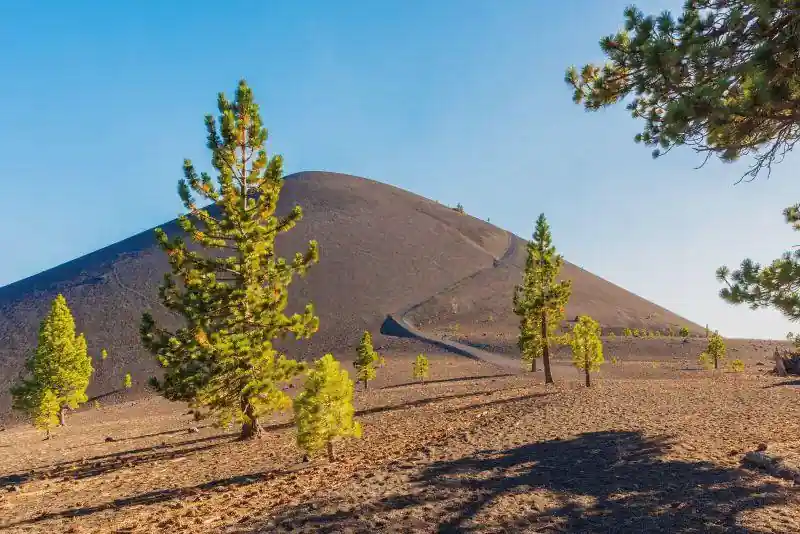
Cinder cone volcanoes are the smallest and simplest type of volcano. They form from explosive eruptions of gas-rich magma. When magma is violently ejected into the air, it shatters into small fragments known as cinders or volcanic ash. These glowing fragments cool in the air and fall back around the vent, piling up layer by layer to form a steep, cone-shaped hill.
Cinder cones usually grow rapidly but remain short-lived, with heights ranging from a few dozen to several hundred meters. A famous example is Parícutin Volcano in Mexico. It suddenly emerged from a cornfield in 1943 and rose more than 400 meters within just a few years — offering geologists a rare opportunity to witness the birth of a volcano in real time.
2. Lava Dome Volcanoes
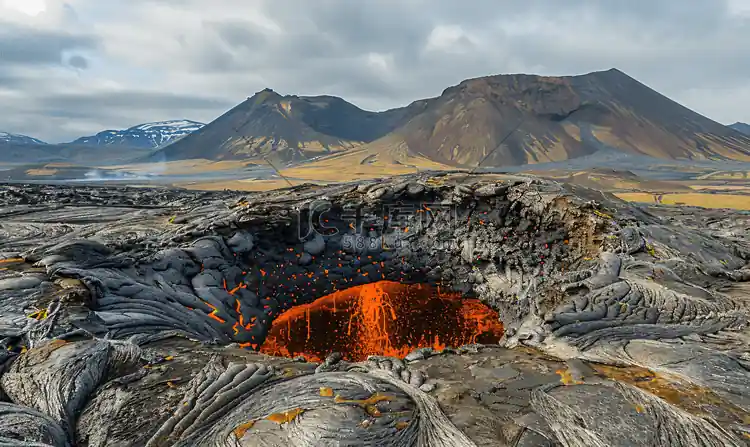
Lava domes form when highly viscous magma oozes slowly from a vent. Because the magma is so thick and sticky, it can’t travel far; instead, it piles up near the vent, cooling and solidifying into a rounded, dome-shaped mound.
These domes often appear inside or on the flanks of larger volcanoes. Their growth can be accompanied by small explosions or collapses, making them potentially dangerous. A well-known example is the lava dome that formed inside Mount St. Helens (USA) after its massive 1980 eruption — a textbook case for studying dome-building eruptions.
3. Shield Volcanoes
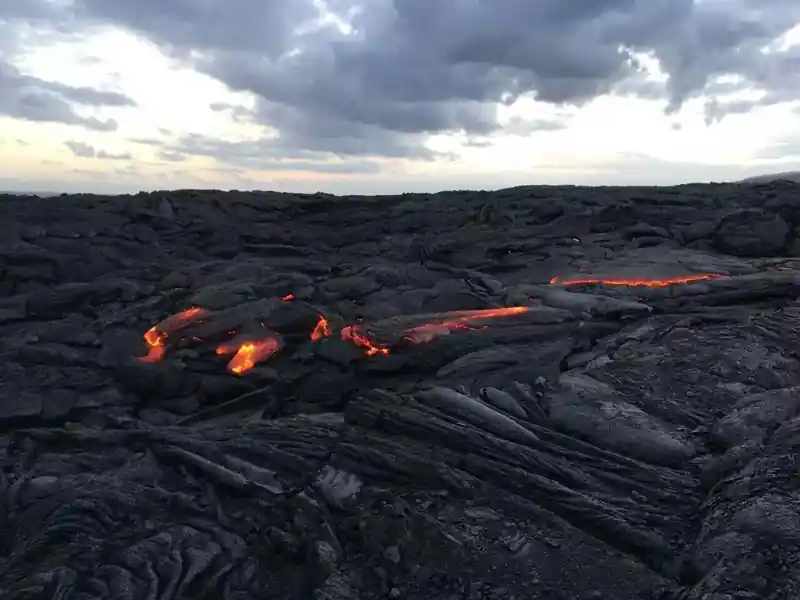
Shield volcanoes are named for their broad, gently sloping profiles, which resemble a warrior’s shield. They form from highly fluid basaltic lava, which has low viscosity and gas content. This allows the lava to flow great distances before cooling, creating expansive, overlapping layers that build immense volcanoes over time.
Despite their enormous size, shield volcanoes have very gentle slopes — often less than 10 degrees. One of the most famous examples is Mauna Loa in Hawaii, one of the largest active volcanoes on Earth. From its base on the ocean floor to its summit, Mauna Loa rises more than 9,000 meters, taller than Mount Everest. The entire Hawaiian Islands chain was formed by the repeated eruptions of such shield volcanoes.
4. Stratovolcanoes (Composite Volcanoes)
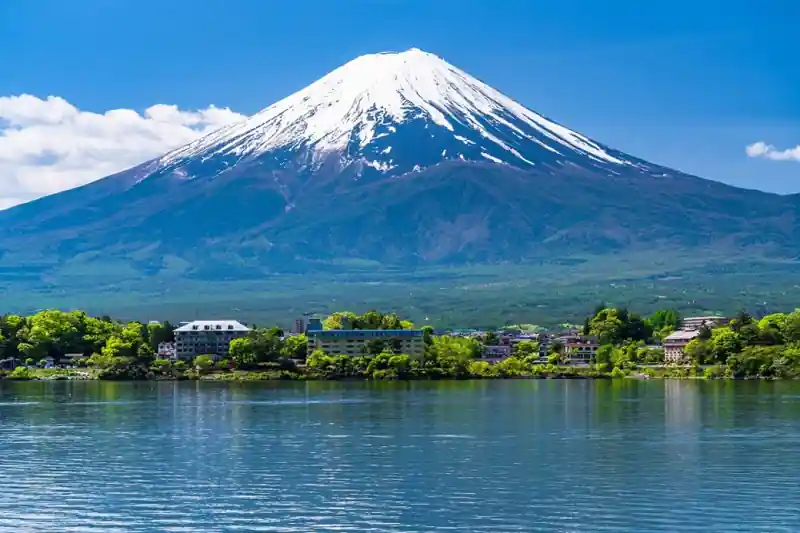
Stratovolcanoes — also called composite volcanoes — are perhaps the most iconic and photogenic type of volcano. They feature tall, symmetrical cones built from alternating layers (strata) of lava flows, volcanic ash, and rock fragments.
Their magma, typically andesitic or dacitic, is viscous and gas-rich, leading to highly explosive eruptions. These eruptions can generate deadly pyroclastic flows, ash clouds, and volcanic mudflows (lahars).
Some of the world’s most famous and dangerous volcanoes are stratovolcanoes, including:
- Mount Vesuvius (Italy) — its AD 79 eruption buried the ancient city of Pompeii.
- Mount Fuji (Japan) — Japan’s national symbol, admired for its perfect symmetry.
Stratovolcanoes are beautiful yet perilous — closely monitored by volcanologists due to their potential for catastrophic eruptions.
5. Calderas
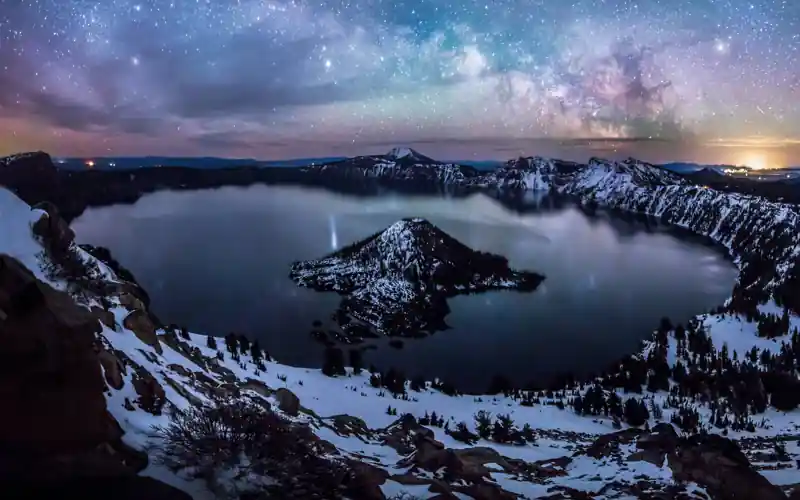
A caldera is not a mountain but a massive volcanic depression formed when a volcano collapses into itself. This usually happens after an exceptionally powerful eruption empties the underground magma chamber. Without support, the overlying rock falls inward, creating a large, bowl-shaped crater that can span several kilometers.
Calderas are among the most dramatic geological features on Earth. Over time, they may fill with water to form lakes or even develop unique ecosystems.
Notable examples include:
- Crater Lake (Oregon, USA) — formed about 7,700 years ago when Mount Mazama erupted and collapsed. The lake is now the deepest in the United States, famed for its intense blue color.
- Yellowstone Caldera (USA) — one of the largest active volcanic systems on Earth, still fueled by a vast underground magma chamber and known for its geysers and hot springs.
6. Fissure Volcanoes
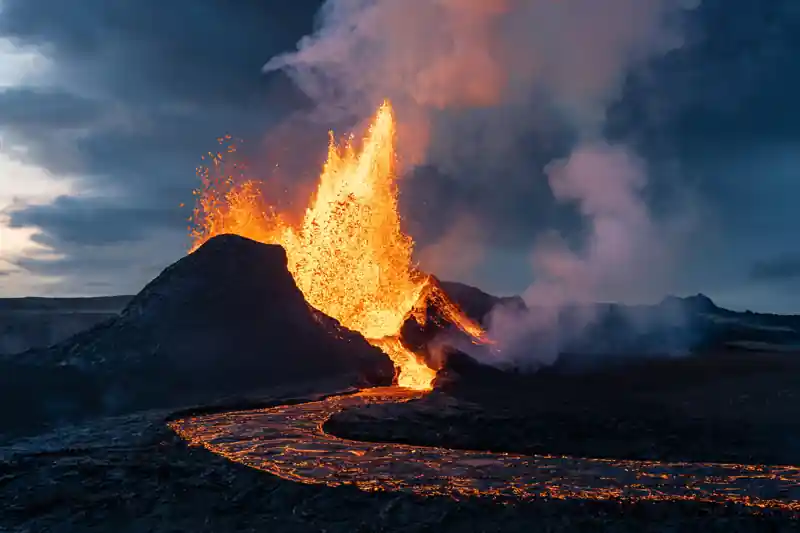
Unlike most volcanoes that erupt from a single vent, fissure volcanoes erupt along long cracks or fractures in the Earth’s crust. These linear eruptions are common along divergent plate boundaries, such as mid-ocean ridges or continental rift zones.
During an eruption, lava fountains along the fissure and spreads out in broad sheets, forming extensive lava plains.
Iceland is a prime example of fissure volcanism. In 2014, the Fagradalsfjall eruption drew global attention as glowing lava poured from a fissure across the Reykjanes Peninsula, creating a spectacular yet relatively gentle display.
Historically, the 1783 Laki eruption in Iceland released vast amounts of lava and toxic gases, dramatically altering global weather patterns for years.
7. Submarine Volcanoes
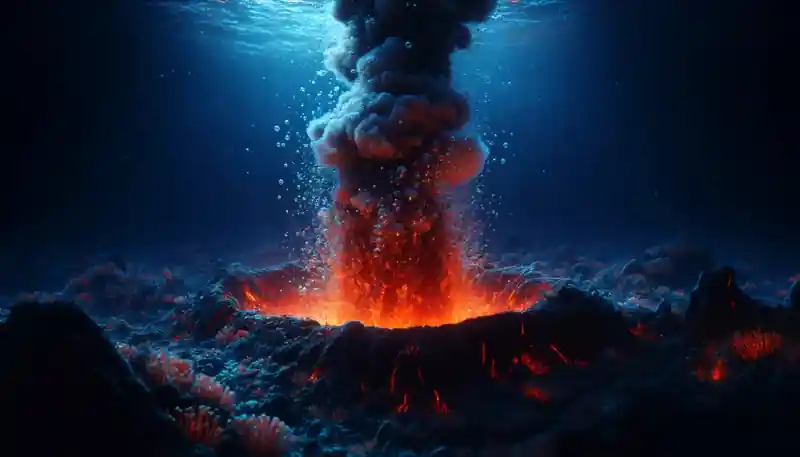
Submarine volcanoes are the most common yet least visible volcanoes on Earth. They occur beneath the ocean, mainly along mid-ocean ridges, island arcs, and hotspot regions.
Although hidden under water, submarine eruptions play a crucial role in shaping the planet. As they continue to erupt, these volcanoes may gradually build up and rise above the sea surface, forming new islands. The Hawaiian Islands themselves were born this way, as the Pacific Plate slowly drifted over a stationary mantle hotspot.
Some submarine eruptions also produce hydrothermal vents, or “black smokers,” which release mineral-rich fluids that sustain unique deep-sea ecosystems — offering valuable insights into the origins of life on Earth.
From the steep slopes of cinder cones to the vast expanses of shield volcanoes, from explosive stratovolcanoes to colossal calderas and hidden submarine giants — volcanoes take many forms, each telling a story of Earth’s restless energy.
Volcanoes don’t just shape the landscape; they influence climate, ecosystems, and even human civilization. By understanding the types and behaviors of volcanoes, we can better appreciate their natural beauty — and learn how to coexist with the fiery forces that continue to mold our planet.