
Have You Ever Woken Up at 2 A.M. and Panicked?
You open your eyes in the middle of the night—it’s 2 a.m. Your heart races.
Your mind starts spinning:
“Why am I awake again?”
“If I don’t fall back asleep right now, tomorrow will be ruined!”
- Have You Ever Woken Up at 2 A.M. and Panicked?
- How the Ancients Slept: The Lost Rhythm of “First Sleep” and “Second Sleep”
- Why Our Ancestors Could Sleep So Naturally
- How the Industrial Revolution Reshaped Sleep Forever
- The Experiment That Changed Sleep Science
- Modern Insomnia: A Mismatch Between Biology and Society
- Reclaiming the Midnight Hour
- Maybe “Insomnia” Isn’t a Problem—It’s a Memory
Sound familiar? You’re not alone. But here’s the surprising truth: this anxious reaction to “waking in the middle of the night” is a modern phenomenon—a side effect of artificial light, industrial schedules, and our obsession with perfect sleep.
A few centuries ago, people not only woke up at midnight—they expected to.
They even enjoyed it.
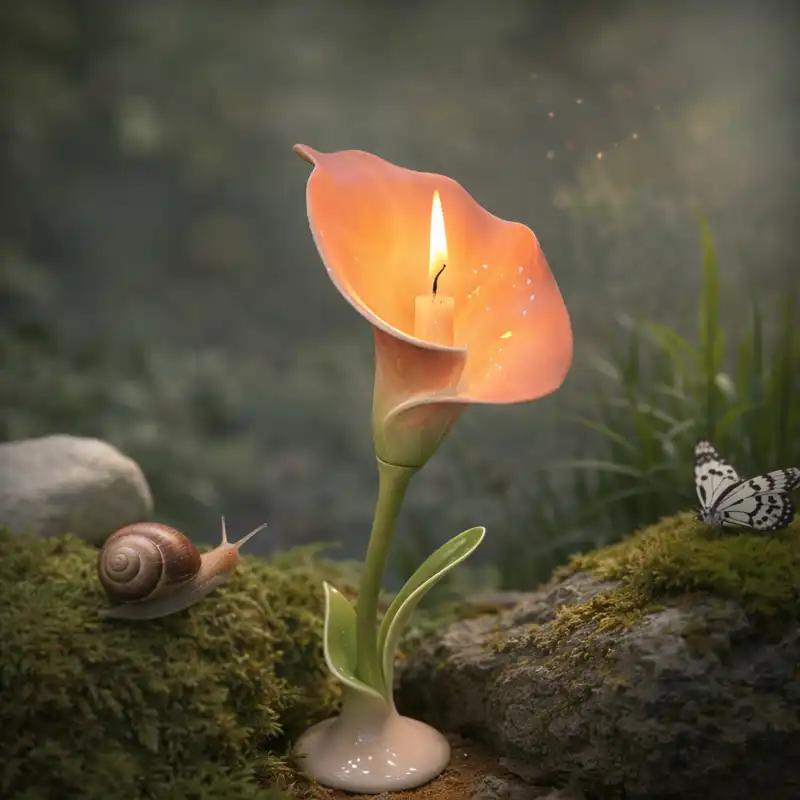
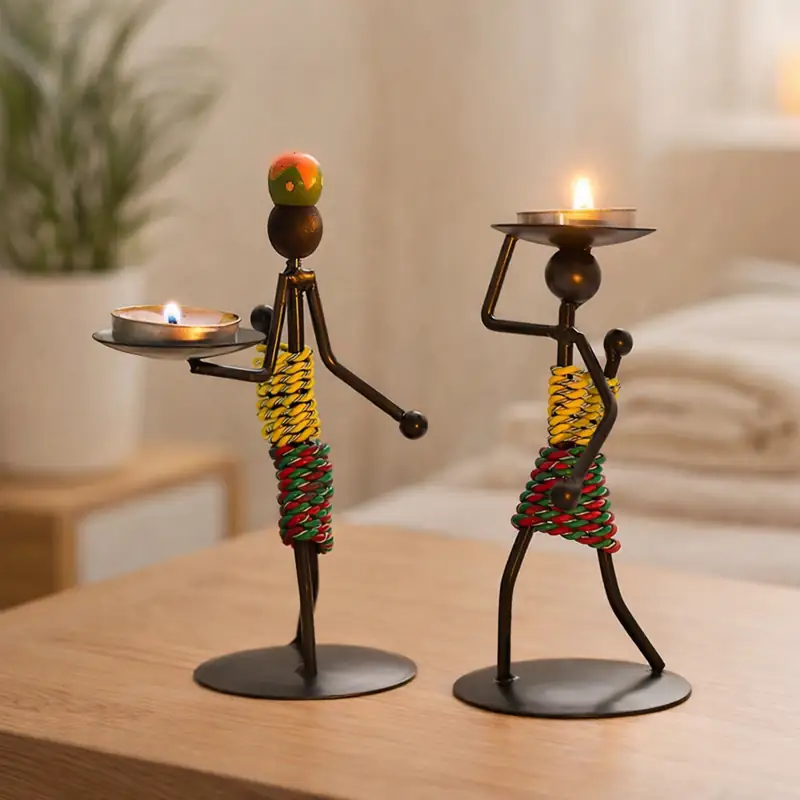
They would light a candle, read a book, talk quietly with a loved one, or sip a cup of tea under the stars. For them, waking up around midnight was part of life’s natural rhythm.
Because for thousands of years, humans didn’t sleep once per night—they slept twice.
How the Ancients Slept: The Lost Rhythm of “First Sleep” and “Second Sleep”
Before electricity, human life followed the rhythm of sunlight. People rose with dawn and rested after dusk—but not in one continuous stretch.
Instead, they practiced what modern researchers call segmented sleep, or biphasic sleep:
- First Sleep – People would go to bed shortly after sunset, around 7–9 p.m. This was a period of deep, restorative rest dominated by slow-wave sleep.
- The Midnight Wake – Around midnight or 1 a.m., people would naturally wake up. This wasn’t insomnia—it was biology. This interval was known in many cultures as “the watch,” “the midnight hour,” or “night’s middle.”
- Quiet Activities – During this peaceful time, people might pray, meditate, write, make love, or simply sit in silence. Some even believed it was a sacred hour for reflection and creativity.
- Second Sleep – After an hour or two, they would grow drowsy again and sleep until dawn—refreshed and ready for the day.
This pattern appeared everywhere—from ancient China to medieval Europe, from Greek philosophers to early Christian monks. Historical texts, diaries, and even legal records mention first sleep and second sleep as ordinary parts of daily life.
Why Our Ancestors Could Sleep So Naturally
The secret lies in light—or rather, the lack of it.
Before the age of electricity, night meant darkness. When the sun set, the body began producing melatonin, the hormone that triggers sleepiness. After several hours of rest, core body temperature dropped, and the brain entered a brief, natural phase of wakefulness around midnight.
In the absence of artificial light and digital distractions, this gentle awakening felt peaceful—not stressful. People accepted it as part of life’s natural rhythm.
Modern sleep science now supports this. A full sleep cycle lasts about 90 minutes, and between cycles, the brain briefly “resurfaces” from deep sleep. In our light-filled, overstimulated world, most people immediately slip into the next cycle—but in natural darkness, the brain tends to stay awake a bit longer.
For our ancestors, that was normal.
For us, it’s a crisis.
How the Industrial Revolution Reshaped Sleep Forever
So, what happened? Why did humanity stop sleeping in two shifts?
The answer is: the Industrial Revolution.
When factories and schedules began ruling human life in the 18th and 19th centuries, sleep had to be standardized. Workers were expected to clock in and out at fixed times, so the ideal of a continuous eight-hour sleep was born.
Meanwhile, gas lamps, and later electric lights, flooded the night with brightness. People could now work, socialize, or read long past sunset. Night became “useful” time, and the body’s natural rhythms were pushed aside.
By the 20th century, doctors and psychologists had redefined sleep entirely. The old pattern was forgotten; waking at night was suddenly seen as a disorder.
When researchers in the 1990s stumbled across historical references to “first sleep” and “second sleep,” they thought it was just poetic metaphor—until one scientist decided to test it.
The Experiment That Changed Sleep Science
In the early 1990s, psychiatrist Thomas Wehr at the National Institute of Mental Health conducted a remarkable study. He placed volunteers in total darkness for 14 hours each night, with no artificial light, for several weeks.
The results astonished everyone.
After a short adjustment period, every participant naturally developed a segmented sleep pattern:
They slept for about four hours, woke up for one to two hours in peaceful rest, then fell asleep again for another four hours.
No alarms, no anxiety—just the body reverting to an ancient rhythm encoded in our DNA.
Wehr’s study proved that biphasic sleep is not abnormal—it’s the way humans are meant to sleep when left to nature’s cues.
Modern Insomnia: A Mismatch Between Biology and Society
So maybe, our sleeplessness isn’t a personal failure—or even a medical disorder.
Maybe it’s a cultural mismatch.
Our bodies still remember the rhythm of darkness and dawn, but our world no longer allows it. We push bedtime later, stare into blue-lit screens, and then blame ourselves when we can’t fall asleep or wake at 2 a.m.
We’ve been taught that “good sleep” means eight uninterrupted hours.
That’s not biology—it’s marketing.
When you wake in the middle of the night, your body might just be doing what it has done for thousands of years—surfacing briefly in the quiet space between first and second sleep.
Reclaiming the Midnight Hour
If you wake at 2 or 3 a.m., don’t panic. Don’t reach for your phone, and don’t check the time.
Instead, treat this moment as an invitation.
Sit quietly. Breathe deeply. Sip warm water or tea. Journal. Pray. Read a few pages of something gentle. Listen to calm music or the sound of rain.
You may find that your mind feels unusually clear, creative, and calm in this “night watch” window—just as our ancestors did.
And when drowsiness returns, let it take you naturally back into your second sleep.
Maybe “Insomnia” Isn’t a Problem—It’s a Memory
Perhaps what we call insomnia is really a memory of a lost rhythm—a whisper from our evolutionary past.
Maybe our bodies are not broken. Maybe they’re just remembering how to be human again.
So, next time you wake in the dark hours before dawn, try saying to yourself:
“It’s okay. I’m just living the old, natural way.”
The night doesn’t have to be a battleground.
It can be an invitation—
to rest, reflect, and reconnect with the rhythm that guided humankind for millennia.